
1996 was a wild and impactful year.
Scream brought on a slasher renaissance — thrilling and chilling a future theatri-core bandleader with its influential meta-horror. It was also the year where Will Smith wrapped up his TV career to go full action hero in Independence Day. That said, that same summer ushered in the international domination of the Spice Girls.
KISS brough back the make-up for a hotter than hell reunion tour, while Diamond Dave rejoined Van Halen at the MTV Music Awards — and then got booted back out near instantaneously.
It was also a hell of a year for heavy music, as 1996 produced some of the biggest and most enduring albums from a number of still wildly popular artists, from rising shock-rock superstars to trendkilling extremists to metal bands reconnecting with their roots.
With that in mind, we asked our readers to pick their favorite album from 1996, and the votes rolled in accordingly.
Type O Negative – October Rust
No doubt, October Rust is a true classic with our readers — they recently reported back to us on their favorite songs from Type O’s fourth album, and the votes came in strong for several cuts.
October Rust is a doomily melodic standout from the Drab Four that makes giant tonal swings between super-lusty, threesome-anticipating horndoggery (“My Girlfriend’s Girlfriend”), lovestruck devotion (“Love You to Death”) and emotional devastation (“In Praise of Bacchus”).
Peter Steele dials it all in with a mix of pathos and perversion, and his performances still hypnotize listeners.
Sepultura – Roots
The groove-bombed riffs and tribal rhythms of Roots didn’t exactly come out of nowhere —both directions had been hinted at on 1993’s Chaos A.D. — but Sepultura’s sixth album certainly leveled up the Brazilian band’s love for both feels. Their fans loved it, too — and continue to praise it to this day as a high-point in Sepultura’s iconic career.
Uniquely bombastic to the max, the album delivered memorable, mainstream-broaching singles like “Roots Bloody Roots” and the Portuguese language “Ratamahatta” (the latter featuring Brazilian singer-percussionist Carlinhos Brown).
Sepultura’s magnum opus also marked the end of an era— founding vocalist-guitarist Max Cavalera left the band less than a year on from the release of Roots.
Tool – Ænima
Following up on the promise of bleak-brooding and super pounding 1993 breakthrough Undertow, TOOL’s second album got darker, weirder and proggier. Considering Ænima’s album title is a portmanteau — mixing “Anima” (Latin for “soul”) with the “enema” — it’s fair to say that it’s an explosive release, and fans embraced that splatter of inspiration right quick.
It’s a transitional release, bearing the creative input of outgoing bassist Paul D’Amour and featuring the interstellar fingerings of his successor Justin Chancellor. It’s also got some of TOOL’s most anthemic bangers (“Stinkfist”), along with memorable alt-metal hulk-outs (“Hooker with a Penis”) and psychedelically stoney jams (“Pushit”).
To put it another way: Everything on Ænima seems to satisfy our readers.
Pantera – The Great Southern Trendkill
Pantera’s Far Beyond Driven catapulted itself to No. 1 on the Billboard album charts in 1994. The Texas foursome were at the top of their game, and they could have gone all “Black Album” with a mainstream-friendly follow-up to win even more converts to their cause. Here’s the thing, though: By 1996, they’d gotten even heavier.
Determined in its ruthlessness, The Great Southern Trendkill is a wildly admirable, plant-your-boots-in-the-ground moment for Pantera. While, yes, there is certainly some achingly gorgeous melody on the LP (see Dimebag Darrell’s legendary “Floods” solo), Trendkill mostly goes for the throat with some of the most abrasively noisy thrash-outs in their entire catalog (check, for instance, their Digitech-whammed freakfest “Suicide Note, Pt. 2”).
Our readers confirm that this album still kills.
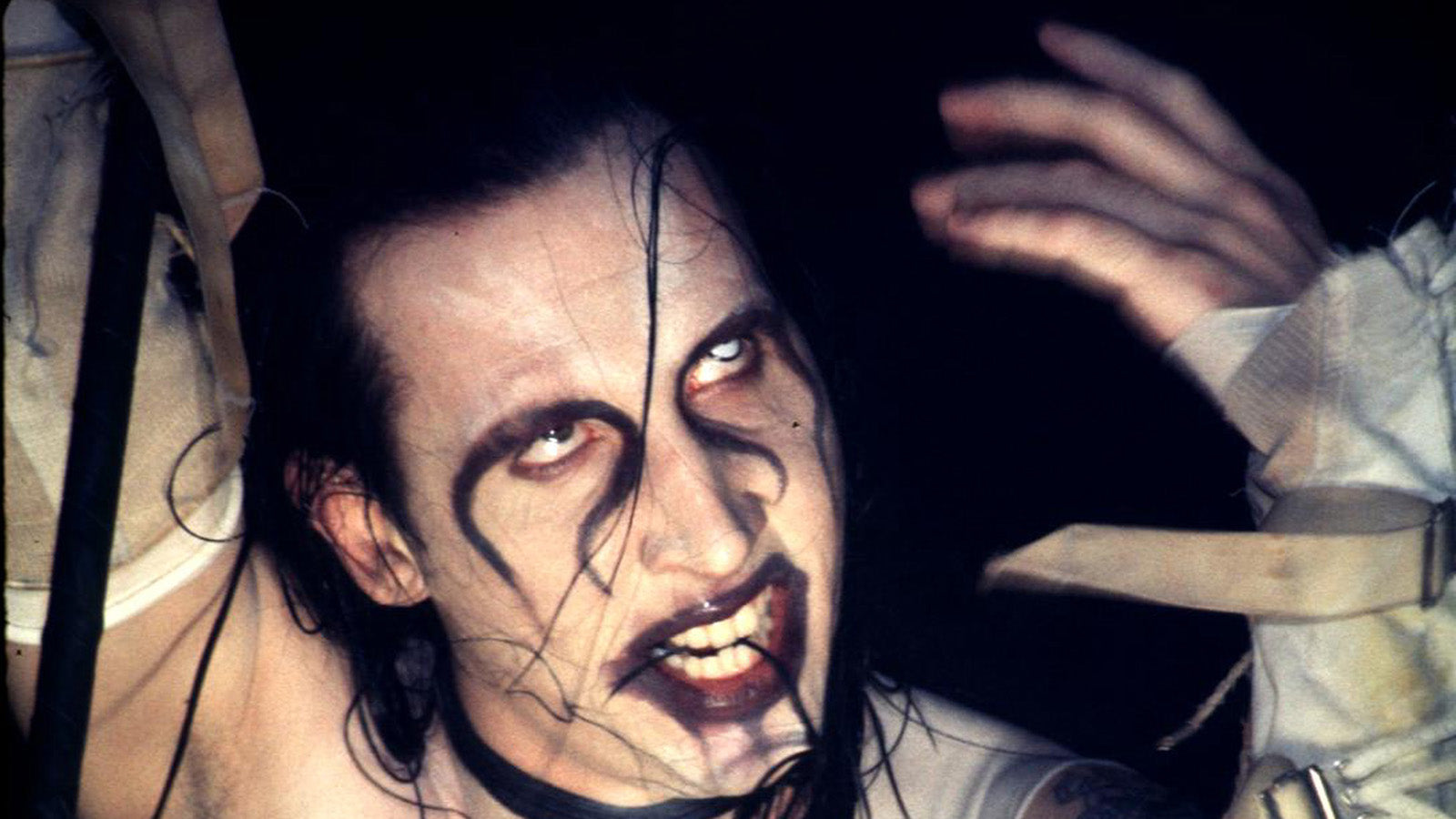
Marilyn Manson – Antichrist Superstar
Marilyn Manson had raised some intrigue with the Spooky Kids’ debut album, 1994’s Portrait of an American Family, and then infected a devout group of goth-metal fans’ consciousness with his sweet-dreamin’ Smells Like Children EP. This all paled compared to how the shock rocker became an outright pop-culture sensation with his second full-length release, Antichrist Superstar.
His growing flock of followers were drawn towards industrial-jolted creep-outs of soon-to-be-arena-conquering songs like “The Beautiful People,” its proud-to-blaspheme iconography, the Bowie-esque world-building, and the gossip behind Manson’s real-life bacchanalian depravity. Those same things also made him enemy No. 1 to pearl-clutching puritans — avalanching Manson in death threats, bringing picket lines to his concerts, and making him persona non grata in sensationalized congress hearings. The controversy only ended up building up his legend more.
Thirty years on, Revolver readers just can’t quit Superstar’s hate anthems.